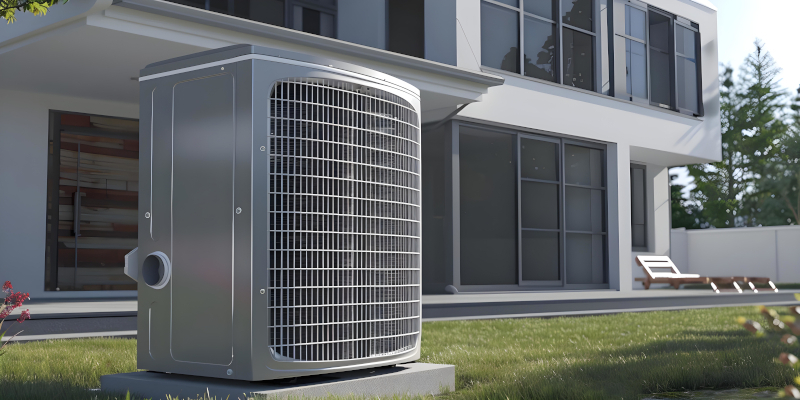
If you've shopped for a new air conditioner or heat pump anywhere in the Sierra Foothills, you've probably seen the term "SEER rating" on spec sheets and sales pages. What does SEER mean in HVAC, and why do techs like us talk about it so much?
SEER stands for Seasonal Energy Efficiency Ratio. It's the number that tells you how much cooling a system produces compared to how much electricity it uses over a typical cooling season. In short, it shows the energy efficiency of a specific unit. Understanding this rating can help you pick a system that keeps your home comfortable without draining your wallet. If you're weighing your options, our team can walk you through AC installation and repair choices that fit your home and your budget.
How Is a SEER Rating Calculated?
A SEER rating comes from a simple idea even if the math behind it isn't. Manufacturers measure the total cooling output of a unit in BTUs across a season then divide that by the total electricity the unit used in watt hours. The higher that number the more cooling you get out of every watt you pay for. Most residential systems sold today fall somewhere between 13 and 26 and the federal minimum has climbed steadily over the past couple decades as manufacturers have found smarter ways to squeeze more comfort out of less power.
SEER vs SEER2
You might also see "SEER2" mentioned when you're researching. The Department of Energy updated the testing method in 2023 to better reflect how systems perform once they're hooked up to real ductwork, not just tested in a lab. SEER2 numbers run a little lower than old SEER numbers for the same equipment, so don't panic if a new unit's rating looks lower than your old one. It's a different yardstick, not a step backward.
Why SEER Ratings Matter for Your Home
Once you know what SEER means in HVAC terms, the "why it matters" part gets a lot easier to explain. A higher SEER rating usually means lower monthly electric bills since the compressor works less to produce the same cooling, more consistent temperatures with less humidity especially with variable speed systems and a smaller footprint on the grid. That efficiency comes at a cost though. Higher SEER units usually cost more upfront so it's worth balancing what you'll save on energy against what you'll spend at installation.
What's a Good SEER Rating for Your Home?
There's no single right answer for what SEER rating you need. It depends on your climate, how long you plan to stay in your home and how your ductwork and insulation are set up. A system in the high teens or low 20s is considered highly efficient while anything in the low to mid teens still meets today's minimum standards and works fine for plenty of households. Even a great SEER rating won't help much if the unit is installed wrong or sized incorrectly for your square footage. That's why proper AC installation and repair from a team that pulls permits and runs load calculations matters just as much as the number on the spec sheet.
Let Bud's Team Help You Choose
Figuring out what SEER means in HVAC shopping is only half the job. The other half is picking a system sized right for your home and installed by people who stand behind their work. We've been serving families across the Sierra Foothills and Central Valley for more than 20 years and we'll walk you through your options honestly, no upsells and no guesswork. Call Bud's team today to talk through your AC installation and repair options and find a SEER rating that actually fits your home.
Want a professional set of eyes on your system?
We're your neighbors, and we're happy to help. Give Bud's team a call.
📞 (209) 857-0438